


Alright, let’s grab a virtual coffee and talk about something that’s probably been nagging at the back of your mind if you’re considering an EV, or already own one: how long do electric vehicle batteries actually last? It’s the million-dollar question, isn’t it? Because, let’s be honest, we’ve all heard the whispers, the vague pronouncements, and maybe even a few horror stories. But what’s the real deal? What truly happens under the hood (or, well, under the floorboard) of your electric dream machine?
This isn’t just about a number it’s about your peace of mind, your financial planning, and frankly, the planet. Understanding the true EV battery lifespan isn’t just a technical detail; it’s a foundational piece of the EV ownership puzzle that allows you to make informed decisions. We’re going to dive deep, peel back the layers of marketing speak, and explore not just what to expect, but why things work the way they do, and what that means for you . Because the truth, as always, is far more nuanced and interesting than a simple ‘X years’ answer.
The Core of the Matter | Understanding EV Battery Lifespan and Degradation
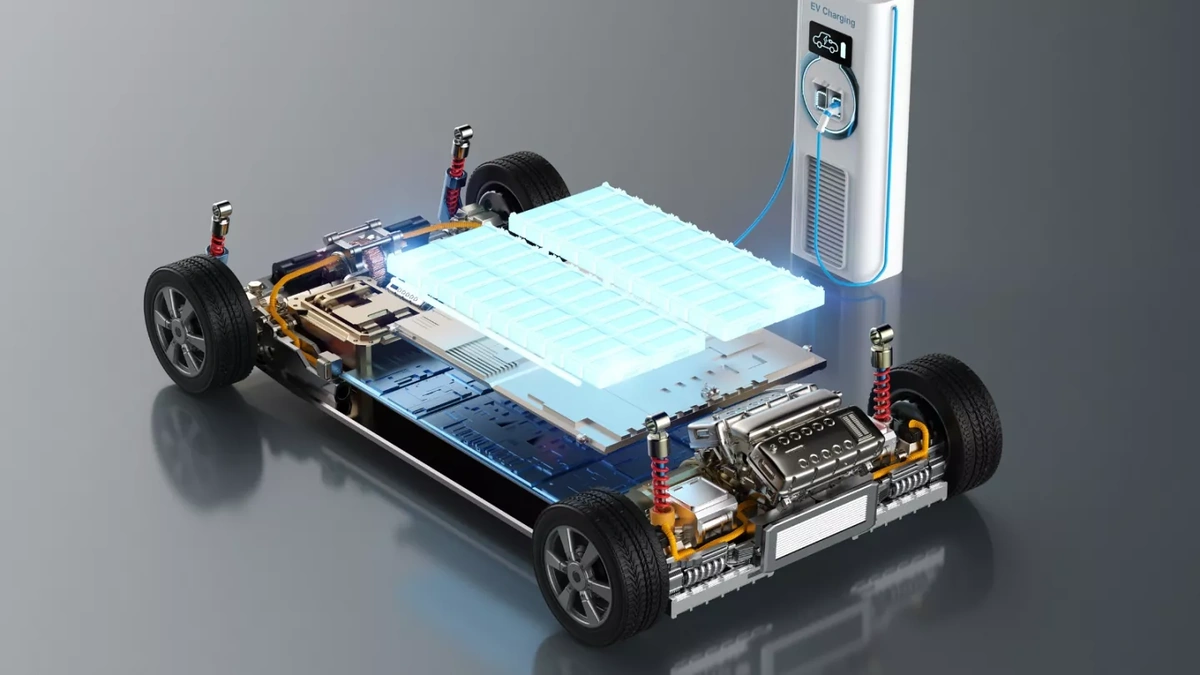
Here’s the thing about EV batteries: they don’t just suddenly die on you like an old laptop battery. That’s a common misconception, and it fuels a lot of unnecessary EV range anxiety. Instead, what happens is a gradual, often imperceptible, process called battery degradation. Think of it less like a cliff you fall off and more like a gentle, almost artistic slope. Over time, and with usage, the battery’s ability to hold a full charge slowly diminishes.
Why does this happen? Well, it’s all down to the complex electrochemical processes inside those lithium-ion cells. Each time you charge and discharge, tiny changes occur within the battery’s chemistry. Lithium ions move between the anode and cathode, and while this is efficient, it’s not perfectly reversible forever. Some lithium becomes inactive, some electrolyte breaks down, and tiny bits of material can accumulate, slightly reducing the effective storage capacity. So, while your battery might still be perfectly functional after 10 years, its maximum range might be 10-20% less than when it was new. The key takeaway? Your electric car battery life is a journey, not a destination, and understanding this gradual process is crucial.
Manufacturer Promises vs. Real-World Performance | The Battery Warranty Decoded
One of the most reassuring aspects of buying an EV is the generous battery warranty offered by manufacturers. Most major EV makers think Tesla, Nissan, GM, Hyundai, Ford offer an 8-year or 100,000-mile warranty, sometimes even 10 years or 150,000 miles in certain states. But here’s where the analyst in me wants to ask: what does that actually cover? It’s not a blanket guarantee that your battery will perform exactly as it did on day one for eight full years.
Typically, these warranties cover significant capacity loss, usually when the battery’s health drops below 70% or 60% of its original capacity. This is a critical distinction. It means that a natural 10-15% degradation over several years is generally considered normal wear and tear, and won’t trigger a warranty claim. However, if your battery mysteriously loses, say, 40% of its capacity in five years, then you’re covered for a replacement or repair. It’s a safety net, designed to protect you from premature failure, not everyday gradual fading. For more on comparing vehicle performance metrics, you might find insight in discussions like those around f-cars panic verdict .
The Silent Killers (and Saviors) of Your EV’s Power Pack | Charging Habits Impact
Want to know the real secret sauce to extending your EV battery performance? It’s largely in how you charge and treat your vehicle. Let me be clear: you don’t need to baby your EV, but being mindful of a few habits can make a significant difference in how long your battery performs optimally.
Firstly, avoid constant deep discharges and charges from 0% to 100%. While modern battery management systems are smart, it’s generally recommended to keep your charge level between 20% and 80% for daily driving. This ‘sweet spot’ reduces stress on the battery’s chemistry, preserving its longevity. Think of it like a muscle: consistent moderate use is better than repeatedly pushing it to its absolute limits. Secondly, beware of extreme temperatures. Parking your EV in scorching summer sun day after day, or leaving it ungaraged in freezing winters, without proper thermal management can accelerate degradation. The battery’s cooling and heating systems work hard to keep it in an optimal temperature range, but minimizing these extremes helps. Finally, while DC fast charging is convenient for road trips, relying on it exclusively for daily charging can also lead to faster wear compared to slower Level 2 AC charging. For a deeper dive into battery care, you can refer to general guidelines on lithium-ion battery health, such as those found on Wikipedia’s Lithium-ion Battery page , which often apply to EVs.
Facing the Inevitable | Electric Car Battery Replacement Cost and Alternatives
Okay, let’s address the elephant in the room: the sticker price of a full battery replacement. It’s no secret that this can be a hefty sum, often ranging from $5,000 to over $20,000 depending on the vehicle, battery size, and labor. This potential cost is a major source of apprehension for many prospective EV buyers, and understandably so. Why is it so expensive?
The battery pack is the single most expensive component of an electric vehicle. It’s not just a collection of cells; it’s a sophisticated, thermally managed, safety-interlocked system. Raw material costs (lithium, cobalt, nickel) play a huge role, as do manufacturing complexity and the economies of scale, which are still evolving. However, the good news is that these costs are falling, and they’re projected to continue doing so. What’s more, full pack replacement might not always be the only option. We’re seeing more developments in module replacement (swapping out only the degraded section of a battery) and even remanufactured battery packs becoming available. So, while the cost can be daunting, it’s a scenario that most EV owners won’t face for a very, very long time, if at all, during their ownership.
What’s Next? The Promise of Future Battery Technology
If you’re worried about the long-term outlook for electric vehicle battery health, take heart! The pace of innovation in battery technology is nothing short of breathtaking. Researchers and engineers are constantly pushing the boundaries, with several promising avenues currently being explored. One of the most talked-about is solid-state batteries, which promise higher energy density (meaning more range in a smaller, lighter pack), faster charging, and potentially even greater longevity and safety compared to current lithium-ion technology. These could significantly alleviate concerns around EV range anxiety and the overall cost of ownership.
Beyond solid-state, there are advancements in anode and cathode materials, new electrolyte formulations, and vastly improved battery management systems that are becoming even smarter at optimizing charge cycles and thermal regulation. These innovations mean that future EVs will likely boast even longer-lasting batteries with better performance and lower degradation rates. This isn’t just about making cars go further; it’s about making them more durable, more affordable, and truly future-proof. It suggests a fascinating future for the entire automotive sector, as outlined by industry analysts like those at Statista on Electric Vehicles in the US .
So, where does that leave us? The question of “how long do electric vehicle batteries actually last?” isn’t about a ticking clock. It’s about a dynamic system, constantly improving, and largely within your control. With good practices and advancing technology, the reality is that your EV battery is likely to outlast your ownership of the car, performing admirably for a decade or more. Understanding the ‘why’ behind battery life empowers you, the driver, to maximize its potential and truly embrace the electric revolution without worry.
Frequently Asked Questions About EV Battery Lifespan
What are the signs my EV battery is degrading significantly?
The most noticeable sign of significant battery capacity loss is a consistent and noticeable reduction in your vehicle’s maximum range, even after a full charge. Many EVs also have onboard diagnostics that can display battery health or ‘State of Health’ (SOH) as a percentage. If this drops considerably below 70-80% within the warranty period, it might be worth getting it checked.
Can extreme weather really affect my electric vehicle battery health?
Yes, extreme hot or cold weather can impact typical EV battery lifespan. While modern EVs have sophisticated thermal management systems, sustained exposure to very high temperatures can accelerate degradation. In very cold weather, range can temporarily decrease, but this is usually a performance effect, not permanent degradation. Always try to keep your EV parked in moderate temperatures if possible.
How much does typical EV battery lifespan differ between models?
Differences exist, but often less dramatically than you might think. Factors like battery chemistry (e.g., LFP vs. NMC), battery size, and the manufacturer’s thermal management system play a role. However, most modern EVs from reputable brands are designed for excellent longevity, usually exceeding 8-10 years of use without significant issues. Variations in how to extend EV battery life will often have a bigger impact than model differences alone.
Is battery capacity loss covered by insurance?
Generally, normal battery degradation or gradual battery capacity loss is not covered by standard automotive insurance, as it’s considered wear and tear. However, if your battery is damaged in an accident, or if there’s a sudden, unforeseen failure not due to normal degradation, then your comprehensive or collision insurance might cover repair or replacement, depending on your policy. It’s always best to check with your specific insurer.
Should I always charge to 100%?
For optimal electric vehicle battery health, it’s generally recommended to avoid charging to 100% every single day, especially if you don’t need the full range. Keeping the charge between 20-80% for daily driving helps minimize stress on the battery. Charging to 100% is fine for longer trips, but try not to leave the car sitting at 100% charge for extended periods. For general insights on different vehicle comparisons and performance considerations, you might want to check out articles like watch bikes vs cars , which sometimes touch upon efficiency.
Where can I learn more about comparing different EV models and their performance?
There are numerous resources available! Official manufacturer websites, reputable automotive review sites (like Edmunds, Car and Driver, MotorTrend), and dedicated EV enthusiast forums are great places to start. You can find detailed specifications, real-world range tests, and owner experiences to help you make an informed decision about your next electric vehicle.


