


Let’s be honest, the name Lotus conjures images of precision engineering, track-day heroics, and a price tag that often feels more like a mortgage payment than a car purchase. For Canadian enthusiasts, the dream of owning one of these lightweight, driver-focused machines has often felt just that: a dream. But what if I told you that by 2026, the landscape for acquiring a Lotus, even on a more modest budget, might look dramatically different? Here’s the thing: understanding the “why” behind this shift is crucial, and it’s not just about simple depreciation. It’s a fascinating blend of market forces, brand strategy, and a changing automotive world that could put a Lotus key in your hand sooner than you might expect.
What truly fascinates me about the automotive industry, especially in the niche world of performance vehicles like Lotus, is how quickly things can evolve. We’re not just talking about minor price adjustments; we’re talking about fundamental shifts that open doors previously thought closed. So, why are we talking about potentially more affordable Lotus cars in Canada by 2026? Well, grab a coffee, and let’s peel back the layers.
The Great Lotus Metamorphosis | Why 2026 Matters
If you’ve been following Lotus, you know they’re in the midst of a radical transformation. Gone are the days of the purely ICE (internal combustion engine) focused, minimalist sports cars of old. Lotus is embracing an electric future, and that pivot has profound implications for the Canadian car market trends. The brand is expanding its lineup from exotic two-seaters to include more – dare I say – practical, albeit still high-performance, electric vehicles like the Eletre SUV and the Emeya sedan.
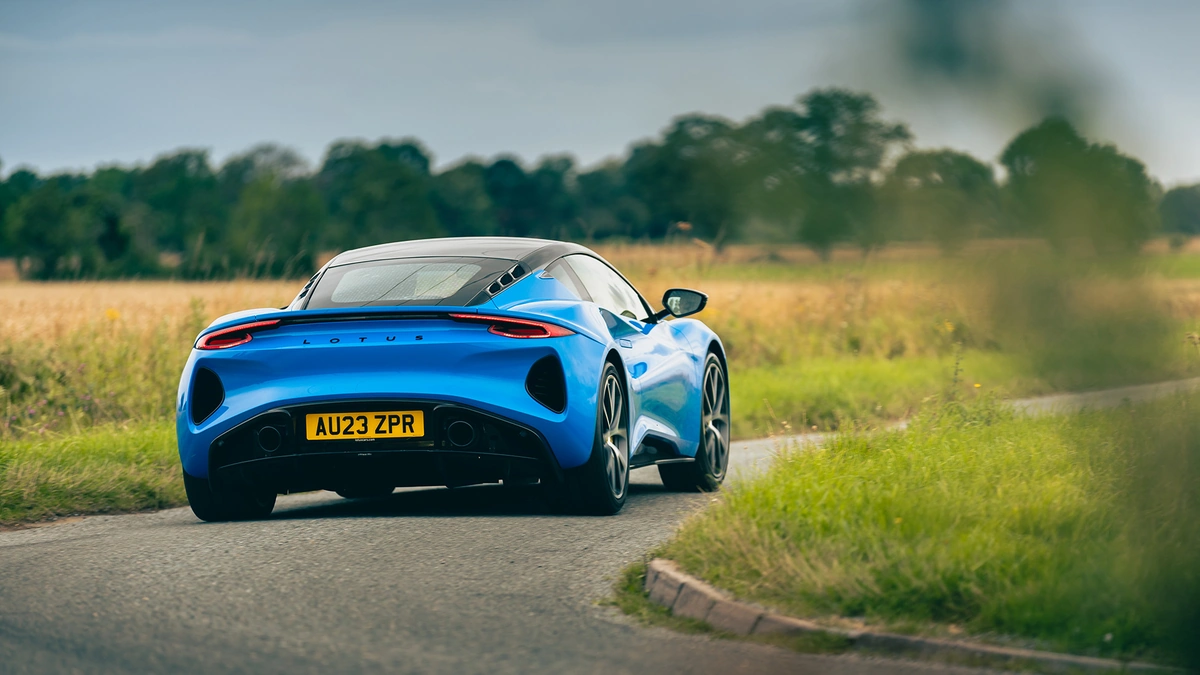
This strategic diversification, backed by Geely’s significant investment, means a few things. Firstly, there will be a greater volume of Lotus vehicles produced and sold globally. While the focus might be on their new electric offerings, this expansion indirectly affects the pricing and availability of their last-of-a-kind combustion models. The Lotus Emira, for example, is the final gasoline-powered sports car from Hethel. Its initial pricing and demand are high, but as production ramps up and the brand introduces more electric models, the perception – and potentially the pricing – of the Emira in the coming years will stabilize. Moreover, the brand’s shift to electric sports cars Canada impacts enthusiast perception. Some purists will always gravitate to the raw, analog feel of an ICE Lotus, potentially driving demand for specific models on the used market.
Secondly, the influx of new, higher-priced electric models helps reposition the brand as a premium EV manufacturer. This can, paradoxically, make the existing or slightly older combustion models, like the Emira or the venerable Lotus Evora, seem like a relative “bargain” by comparison, especially for those seeking that classic Lotus driving experience without going fully electric. By 2026, we’ll have a much clearer picture of how these new electric models are performing in the market, which will, in turn, influence the value proposition of their gasoline-powered predecessors. It’s a classic supply and demand scenario, but with a futuristic twist.
Navigating the Used Lotus Market | Your Best Bet for a Deal
When we talk about the cheapest Lotus Cars in Canada for 2026, we’re almost certainly looking at the used Lotus market. New Lotus vehicles, even the Emira, will still command a premium. But the beauty of sports cars, particularly specialized ones like Lotus, is their depreciation curve. It’s often steeper initially than a mass-market car, then flattens out, or in some rare cases, even appreciates if the model becomes a collectible. By 2026, we’ll see a healthy supply of pre-owned Emiras entering the market, alongside the tried-and-true Evora.
The Lotus Evora GT and earlier Evora models are prime candidates for “affordable” entry into Lotus ownership. These cars offer incredible driving dynamics, a relatively practical cabin for a sports car, and a certain timeless appeal. While they’ve held their value reasonably well, especially well-maintained examples, the introduction of newer, flashier models will inevitably push their prices down slightly. The sweet spot here is finding a car that’s 5-10 years old, has been meticulously maintained, and has absorbed the bulk of its initial depreciation. What you’re paying for then is the pure driving experience, which is arguably what Lotus is all about.
Canadian import regulations also play a role. While bringing a new Lotus into the country is straightforward for a dealer, individual imports of older, more exotic models can be complex. However, the existing pool of Canadian-market Lotus vehicles offers the simplest path to ownership. Keep an eye on specialist dealerships and private sales as we approach 2026. These are the places where deals on affordable sports cars like a used Lotus are most likely to emerge.
The Economic & Enthusiast Factors Influencing Lotus Prices
Beyond brand strategy, broader economic factors and the passion of performance car enthusiasts will dictate the market for Lotus in Canada. Interest rates, inflation, and the overall health of the luxury car market all play a part. If the economy cools, demand for high-end sports cars might soften, leading to more competitive pricing even for desirable models. Conversely, a robust economy could keep values buoyant. It’s a delicate balance, and that’s why keeping an eye on these macro trends is just as important as knowing Lotus’s product roadmap.
The sports car investment angle is also fascinating. While most cars are depreciating assets, certain niche models can become sought-after over time. The last gasoline-powered Lotus models, like the Emira, could hold a special place in automotive history. For enthusiasts looking to make an informed purchase, understanding the potential for future collectibility, or at least stable depreciation, is key. This isn’t just about the initial cost; it’s about the total Lotus ownership cost over time, which includes maintenance, insurance, and resale value. By 2026, enough time will have passed for us to properly assess the Emira’s long-term market position and how it impacts older models.
So, what’s my take? By 2026, the convergence of Lotus’s electric transformation, the natural depreciation of its combustion models, and the evolving Canadian market will create opportunities. The “cheapest” Lotus won’t be brand new, but it will be a vehicle that delivers an uncompromised driving experience for a fraction of its original cost, or a brand new one that offers a fresh perspective on the brand’s value. The key is to be informed, patient, and ready to seize the moment when the right Evora or early Emira presents itself. You might just find that the dream of owning a piece of Hethel magic is much closer to reality than you thought.
Frequently Asked Questions About Buying a Lotus in Canada
What makes a Lotus an “affordable” sports car option by 2026?
By 2026, the introduction of new electric Lotus models like the Eletre and Emeya will likely shift market focus, allowing for more competitive pricing on pre-owned combustion models like the Lotus Evora and early examples of the Lotus Emira. Natural depreciation, especially on the used market, will make them more accessible compared to their original MSRP. You can explore more about changing vehicle dynamics and market responses, like how Hyundai bets big on AI performance cars , to understand broader industry trends affecting value.
Which Lotus models should I look for if I want a cheaper option in Canada?
Your best bet for buying a Lotus in Canada on a tighter budget by 2026 will likely be a pre-owned Lotus Evora (especially the Evora S or Evora GT) or potentially an early model of the Lotus Emira as they enter the used market. The older Elise and Exige models can also be found, but their niche appeal and track-focused nature mean their prices can be more volatile depending on condition and demand.
How do Canadian import regulations affect buying a used Lotus?
While buying a Lotus already in Canada is straightforward, importing an older model from the U.S. or overseas can involve duties, taxes, and compliance with Canadian safety and emissions standards. It’s essential to research specific Canadian import regulations through Transport Canada and the Registrar of Imported Vehicles (RIV) before considering an import, as some models may be easier to bring in than others.
What should I expect for Lotus ownership cost in Canada?
Lotus ownership cost, even for a cheaper model, includes more than just the purchase price. Expect higher insurance premiums, specialized maintenance from qualified technicians (often requiring parts sourced internationally), and potentially higher fuel costs for combustion models. Factor in annual servicing, tire replacements, and any unforeseen repairs unique to specialized performance vehicles.
Will the Lotus electric transition make gasoline models obsolete or more desirable?
It’s a bit of both! The Lotus electric transition means gasoline models are no longer being produced, which could increase their desirability as the “last of a kind” for purists. However, the market’s overall shift towards EVs might reduce the general demand for ICE vehicles over time. For now, the scarcity of new combustion models is likely to help maintain strong values for well-preserved examples in the used sports car market.


