


Here’s the thing about the automotive world: it’s always moving, always evolving, but sometimes a change comes along that feels less like an evolution and more like a seismic shift. And right now, all eyes are on Hyundai. The Korean automaker, once primarily known for value and reliability, is making a stunning and incredibly strategic move, placing a huge wager on something far more profound than just a new model line. They are, quite emphatically, betting big on AI and performance cars . But this isn’t just a headline grab; it’s a profound recalibration of their entire identity, and understanding why they’re doing it is crucial to grasping the future of driving.
I initially thought this was a simple story of a brand chasing market trends, maybe just building faster electric cars. But then I realized, this isn’t just about raw speed or electric motors. This is about leveraging cutting-edge Artificial Intelligence to fundamentally redefine what a “performance car” can be. It’s a visionary play, aiming to sculpt an entirely new driving experience for us, the consumers. What fascinates me is the sheer audacity of this commitment, and the potential ripple effects it will have across the entire industry. This isn’t just about Hyundai’s bottom line; it’s about the future of automotive innovation as we know it.
The “Why Now?” Behind Hyundai’s AI Acceleration
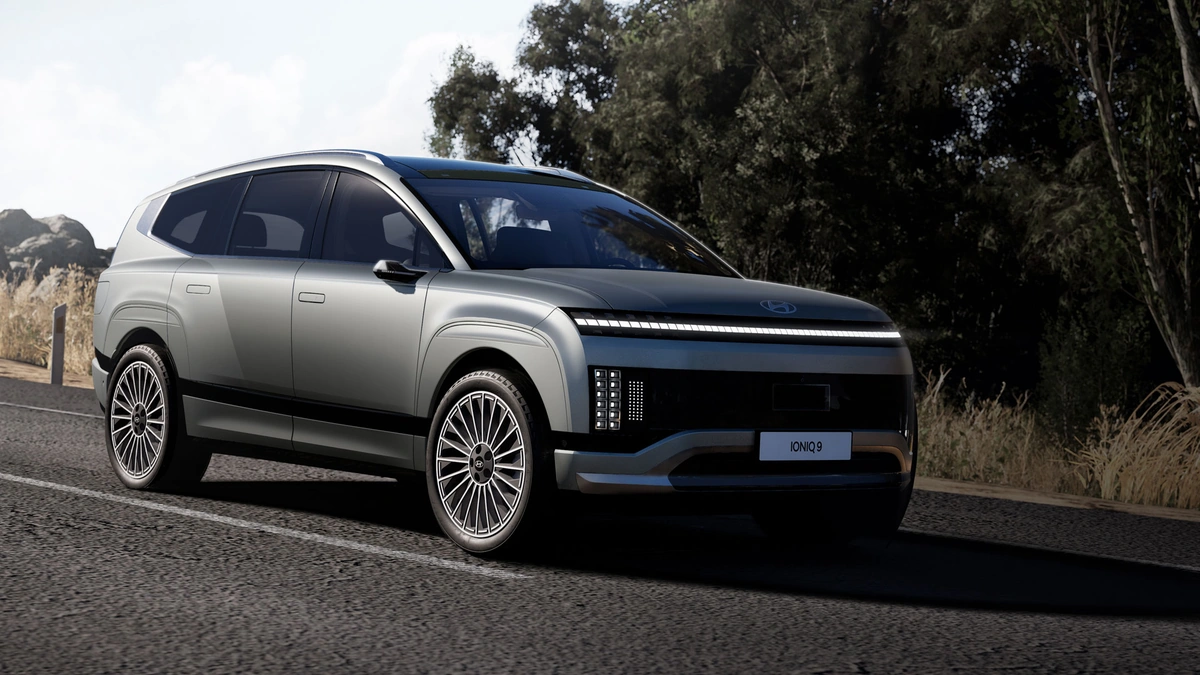
So, why now? Why is a company like Hyundai, with a solid, if sometimes understated, reputation, suddenly pushing the accelerator on such a transformative strategy? Let’s be honest, the automotive landscape is in upheaval. We’re in the midst of a once-in-a-century transition from internal combustion engines to electric vehicles (EVs). But it’s more than just a change in power source; it’s a shift towards software-defined vehicles, where the driving experience is increasingly shaped by code and algorithms rather than purely mechanical components. This transition opens up a vast, fertile ground for AI to take root.
Hyundai isn’t just reacting; they’re aiming to lead. They’ve seen the writing on the wall: global competition, especially from tech giants and new EV players, isn’t just about who can build a car anymore. It’s about who can build the smartest car, the most intuitive car, the car that anticipates your needs and elevates your drive. Their strategic investment in AI in vehicle development isn’t merely an upgrade; it’s a foundational rebuild. This isn’t just about tweaking existing systems; it’s about a deeper, systemic integration of AI across every facet of design, engineering, and the ultimate driving experience. They’re positioning themselves not just as car manufacturers, but as mobility tech companies, and that’s a very different ballgame.
More Than Just Speed | The AI Revolution in Performance
When most people hear “performance cars,” they think horsepower, torque, and lap times. And sure, that’s part of it. But Hyundai’s vision, particularly with its electrifying Hyundai N division , goes far beyond brute force. They’re exploring how AI can be the secret sauce, not just for autonomy or infotainment, but for enhancing the very core of driving dynamics. Imagine a car where AI isn’t just a co-pilot, but a performance coach, constantly optimizing the vehicle’s behavior in real-time, learning from your driving style, and even adapting the car’s setup to different road conditions or tracks.
This is where AI truly shines in the performance realm. We’re talking about AI-optimized powertrains that can deliver instantaneous power with unprecedented precision, suspension systems that proactively adjust damping for upcoming corners, and aerodynamic elements that shift to provide optimal downforce or reduce drag. It’s about predictive maintenance that keeps these high-performance electric vehicles operating at their peak, and driver assistance systems that can subtly intervene to prevent mistakes, all while maintaining the thrill of being in control. Concepts like the N Vision 74, with its hydrogen-electric hybrid power, are not just design exercises; they’re bold statements of intent, showcasing how Hyundai plans to push the boundaries of what electric performance cars can do, driven by advanced AI.
The Unseen Battleground | Data, Algorithms, and the Driver Experience
Beneath the sleek bodywork and impressive power figures, there’s an unseen battleground playing out: the realm of data and algorithms. This is where Hyundai’s significant investment in future of automotive AI truly impacts the driver. Think about it: every mile driven, every corner taken, every braking maneuver provides data. AI systems can process this immense stream of information, learning patterns, identifying optimal driving lines, and even predicting potential hazards before they become critical. This isn’t just about making cars safer; it’s about making them profoundly more engaging and personalized.
Imagine your car intuitively adjusting its steering feedback, throttle response, and even the sound profile to match your mood or the type of road you’re on. This level of personalization, driven by AI, moves beyond simple “sport” or “comfort” modes and into a truly bespoke driving experience. It’s about creating an extension of the driver, a machine that not only responds to commands but anticipates desires. Of course, this raises important considerations about data privacy and the ethical use of such powerful algorithms. Hyundai, like other major players, will need to navigate these waters carefully, building trust while pushing the boundaries of what AI vehicle tech can achieve.
Another fascinating aspect is how AI can democratize high-performance driving. Let me rephrase that for clarity: It won’t make everyone a race car driver overnight, but it can provide real-time coaching and feedback, helping drivers hone their skills and explore their vehicle’s limits more safely. This isn’t about taking over, but about enhancing. It’s about leveraging AI in vehicle development to create a more capable and confidence-inspiring machine, making track days more accessible and spirited drives more rewarding for a wider audience. This is a key part of Hyundai’s strategic vision – to make advanced technology serve the driver, not replace them.
What This Means for Us | The Road Ahead for Automotive Innovation
So, what does Hyundai’s ambitious wager on AI and performance cars mean for you and me, the folks who will eventually buy, drive, and interact with these machines? It signals a future where cars aren’t just transportation devices but highly intelligent, adaptive companions. We’re looking at smarter, safer, and inherently more engaging vehicles. Imagine navigating busy city streets with an AI-powered co-pilot that helps predict traffic flow and suggests optimal routes, not just based on distance but on your preferred driving style. Or picture a weekend getaway where your electric performance cars adapt instantly to winding mountain roads, providing unparalleled grip and feedback, all orchestrated by a sophisticated AI.
This bold strategy also positions Hyundai to potentially leapfrog some of its more established premium competitors. By embracing AI at such a fundamental level, they’re not just playing catch-up; they’re setting a new standard for what performance EVs can be. Of course, this path isn’t without its challenges. The investment is massive, the technological hurdles are significant, and the competition is fierce. But Hyundai has consistently demonstrated a willingness to innovate and adapt. Their track record, from their early days to their current standing, suggests they are serious about this transformation. The integration of motorsport technology and AI isn’t just for show; it’s a testament to their commitment to pushing boundaries.
The implications are far-reaching. This isn’t just about faster 0-60 times. It’s about redefining the entire relationship between human and machine, creating vehicles that are more intuitive, more responsive, and ultimately, more thrilling to drive. It’s about shaping the very definition of a high-performance vehicle in the 21st century. And that, my friends, is why Hyundai’s big bet is something truly worth watching.
Frequently Asked Questions About Hyundai’s AI and Performance Strategy
What exactly does “AI in performance cars” mean?
It means using artificial intelligence beyond traditional infotainment or autonomous driving features. For performance cars, AI can optimize everything from engine (or motor) output and suspension tuning to aerodynamics and driver feedback in real-time. It’s about making the car smarter, faster, and more responsive to driver inputs and environmental conditions. This includes advanced driver assistance features, performance prediction, and even personalized driving modes.
Is Hyundai focusing only on electric vehicles with this strategy?
While a significant part of Hyundai’s future strategy, particularly with the N division, leans heavily into electric performance cars , their AI investment isn’t exclusively limited to EVs. AI can enhance internal combustion engine (ICE) vehicles as well through optimized engine management, predictive diagnostics, and advanced safety systems. However, the synergistic potential of AI with electric powertrains and software-defined architectures is particularly strong, making high-performance electric vehicles a key focus.
How will this benefit the average consumer, not just enthusiasts?
Even if you’re not planning to buy a track-ready N model, the advancements in AI for performance cars will trickle down to mainstream vehicles. This means safer driving assistance systems, more efficient powertrains, more responsive handling, and ultimately, a more comfortable and intuitive daily driving experience. AI will contribute to predictive maintenance, potentially reducing ownership costs, and smarter navigation, making commutes easier. You can also explore how other manufacturers are pushing innovation, like the Xiaomi Hyper Car concept , to see the broader trends.
Are there any concerns with so much AI in cars?
Absolutely. As with any advanced technology, concerns include data privacy (how your driving data is collected and used), cybersecurity risks, the potential for software glitches, and the cost implications for consumers. There’s also the question of maintaining a human connection to driving as cars become more “intelligent.” Trustworthiness and transparency from automakers like Hyundai will be crucial in addressing these concerns as automotive innovation continues to accelerate.
Will AI take away the “fun” of driving?
This is a common fear, and it’s a valid one! However, the aim of AI in performance driving, especially within the Hyundai N division , isn’t to take control away but to augment and enhance the driving experience. Think of it less like a robot driving for you and more like a highly skilled co-pilot providing real-time insights and optimizing the car’s capabilities. It allows drivers to explore limits more safely and consistently, and potentially even learn from the AI to become better drivers themselves. It’s about empowering, not replacing, the human element. For more insights into how tragic events can impact the automotive world and individual stories, you might want to read about topics like Colorado QB Dominiq Ponder Dies Car Crash , which emphasizes the human side of driving.


