

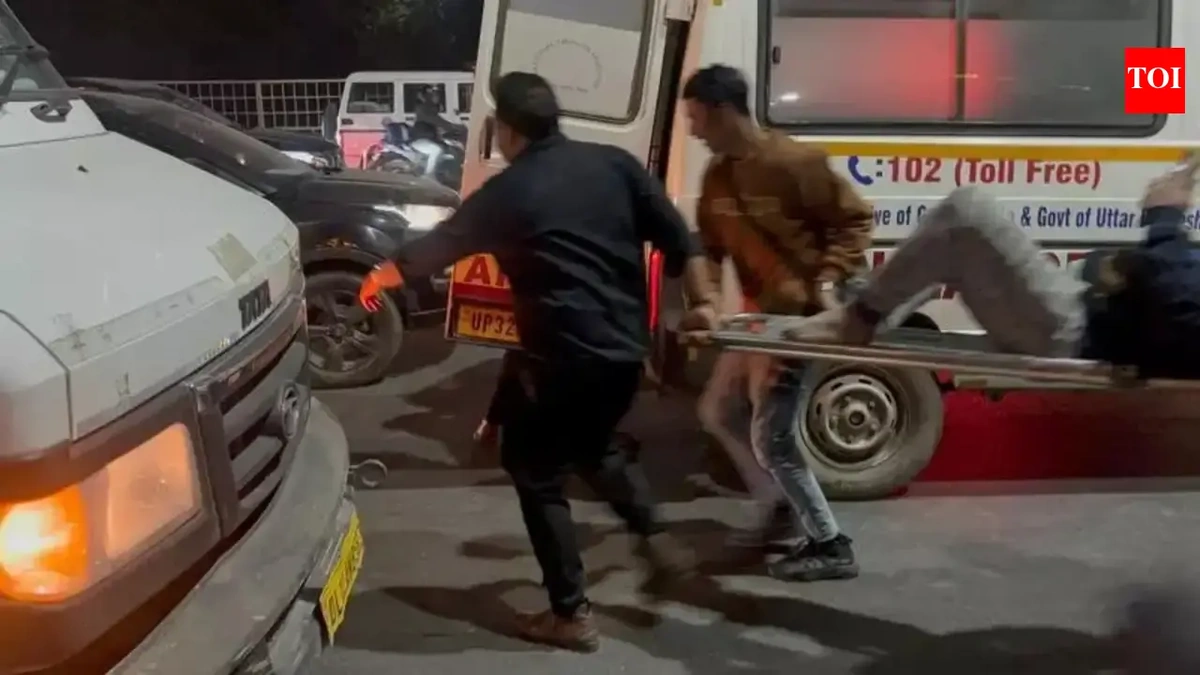
Picture this: a seemingly ordinary day, a driver going about their business, and then, without warning, everything changes. That’s precisely what happened recently in Mission, California, when a minivan crash involving two other cars unfolded due to the driver suffering a medical issue . On the surface, it’s a local news story, a traffic incident, perhaps a moment of “oh no, not again.” But here’s the thing: this isn’t just about one individual incident. It’s a stark, unsettling reminder of a much larger, often overlooked, public safety challenge: medical issue emergencies behind the wheel. What fascinates me, and what we really need to dig into, is not just what happened, but why this type of event carries such significant implications for every single one of us on the road.
Let’s be honest, we all focus on distracted driving or drunk driving, and rightly so. Those are huge risks. But the silent threat of a sudden driver medical emergency? That’s a whole different ballgame because it’s often unforeseeable and can affect anyone. It forces us to confront a vulnerability we’d rather not think about, making the Mission incident a powerful lens through which to examine road safety and the complex dance between personal health and public well-being.
When the Driver Becomes the Hazard | Understanding Medical Emergencies Behind the Wheel

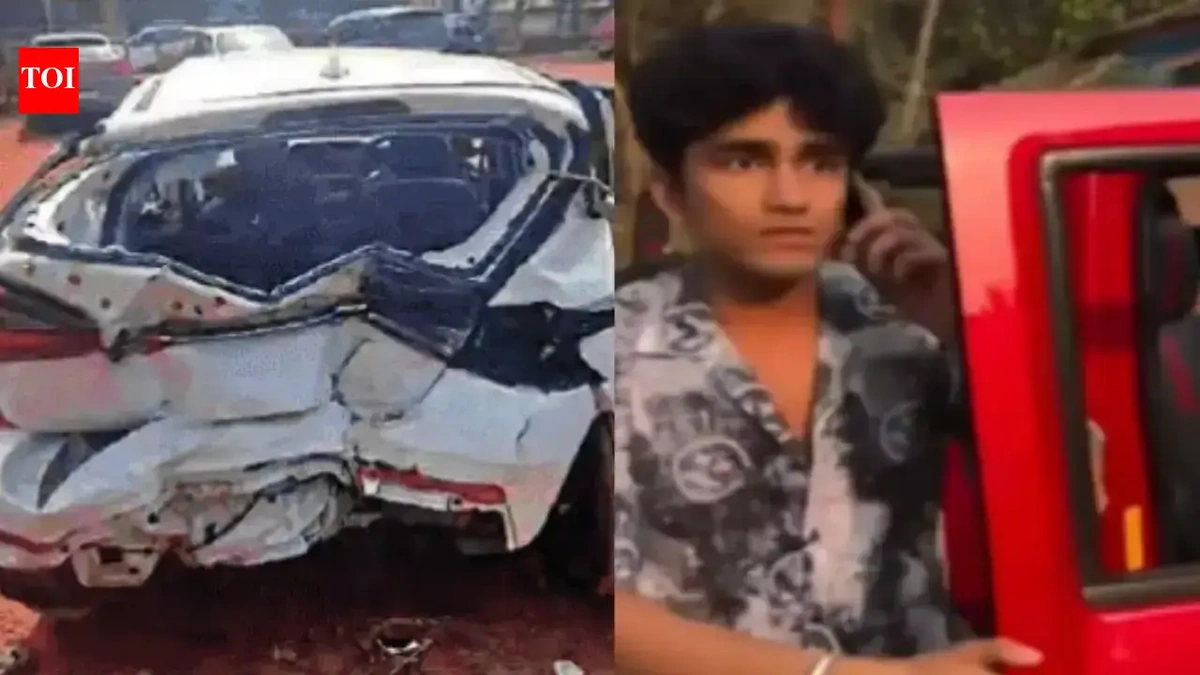
It’s a terrifying scenario: one moment you’re in control, the next, your body betrays you. Medical emergencies that can strike while driving aren’t limited to the elderly, although senior driver safety is certainly a relevant part of this conversation. We’re talking about sudden events like seizures, heart attacks, strokes, severe diabetic episodes leading to incapacitation, or even unexpected fainting spells caused by conditions like vasovagal syncope. The truly insidious part is their unpredictable nature. There often isn’t a warning light flashing on your internal dashboard.
Consider the science for a moment. A sudden cardiac event, for instance, can lead to immediate loss of consciousness, leaving a vehicle essentially pilotless. A severe hypoglycemic episode in a diabetic driver can cause confusion, disorientation, and even coma. These aren’t scenarios where someone is consciously making a bad decision; these are unexpected emergencies where biological systems fail. This makes the minivan crash in Mission a vivid example of how quickly control can be lost, transforming a routine drive into a catastrophic event for multiple parties.
I’ve seen the data, and while precise statistics on crashes caused solely by sudden medical incapacitation are hard to pinpoint (it’s often categorized broadly), experts widely acknowledge it as a significant, underreported factor in accidents. It challenges our assumptions about what constitutes impaired driving laws because it’s not about alcohol or drugs, but an internal, often hidden, vulnerability.
The Ripple Effect | Navigating the Legal and Financial Fallout of a Health-Related Crash
When a car accident Mission CA occurs due to a medical emergency, the aftermath is incredibly complex. Beyond the immediate physical injuries and vehicle damage, the legal and financial questions can become a tangled knot. Who is at fault? Is it the driver who experienced the medical event? Or is it an “act of God” scenario?
Typically, if a driver experiences a sudden, unforeseeable medical emergency that causes a crash, and they had no prior warning or reasonable way to prevent it (e.g., they weren’t advised by a doctor not to drive), liability can be difficult to establish solely on the incapacitated driver. This is where the concept of “unavoidable accident” or “sudden emergency defense” might come into play. However, insurance companies will scrutinize everything. Was the driver aware of their condition? Were they prescribed medication they failed to take? Did their doctor advise against driving? These are the deeper questions that determine the course of insurance claims medical issue cases.
And let’s not forget the emotional toll. For the driver who suffered the medical event, there’s likely trauma, guilt, and the harsh reality of potentially losing their driving privileges. For those in the other cars, there’s the shock, the injuries, and the frustration of being involved in an accident that felt utterly random and unavoidable from their perspective. It’s a tough situation for everyone involved, highlighting why understanding the “why” behind these crashes is so critical for empathy and policy.
Proactive Measures | Strengthening Driver Safety and Mitigating Risks
So, what can we do? If these events are so unpredictable, are we simply at the mercy of chance? Not entirely. While we can’t eliminate all risk, we can certainly adopt proactive measures to bolster driver safety. The most crucial step begins with regular medical check-ups. Having honest, open conversations with your doctor about any health conditions, medications, and their potential impact on your ability to drive is paramount. Doctors are often the first line of defense in assessing driving fitness.
For individuals with known conditions – diabetes, epilepsy, heart conditions – rigorous management of those conditions, adherence to medication schedules, and regular follow-ups are non-negotiable. It’s about taking personal responsibility for managing your health, not just for your own sake, but for everyone else sharing the road. This is especially true when discussing senior driver safety; as we age, our health often becomes more complex, making these conversations even more vital.
Beyond personal health management, general traffic safety tips apply: getting adequate rest before driving, avoiding driving when feeling unwell or experiencing unusual symptoms, and ensuring you’re not drowsy from medications. Families also play a critical role. Sometimes, it takes a loving but firm intervention from a family member to encourage a loved one to reassess their driving abilities or seek medical advice. This collective vigilance is key to prevent accidents stemming from unforeseen health events.
A Call for Awareness | Community Responsibility and Preventing Road Accidents
The Mission minivan crash reminds us that public awareness around medical fitness to drive needs to be elevated. It’s not just about passing a driving test once; it’s about ongoing self-assessment and community support. What if there were more readily available resources for drivers and their families to understand potential risks? What if the DMV had clearer guidelines or even self-assessment tools?
Policies already exist, of course. State DMVs often have medical review programs where doctors can report individuals deemed medically unsafe to drive. But the emphasis should be on proactive engagement rather than reactive reporting. Encouraging drivers to voluntarily consult with their doctors and understand their personal risk factors is a powerful step. Education campaigns could help destigmatize the conversation around driving fitness, making it less about “losing independence” and more about “ensuring everyone’s safety.” Ultimately, preventing road accidents like the one in Mission requires a collective commitment – from individuals managing their health, to families offering support, to communities fostering greater awareness.
FAQs About Medical Emergencies and Driving
What exactly constitutes a “medical issue” that affects driving?
A “medical issue” in this context refers to any health condition that could suddenly and unpredictably impair a driver’s ability to safely operate a vehicle. This includes conditions like epilepsy, heart conditions (e.g., arrhythmia, heart attack), diabetes (severe hypoglycemia), stroke, severe sleep apnea, and certain neurological disorders that can lead to sudden loss of consciousness, disorientation, or impaired motor control.
Who is liable if a driver has a medical emergency and causes a car accident?
Liability in such cases can be complex. Generally, if the medical emergency was sudden, unforeseeable, and the driver had no prior warning or reasonable way to prevent it (e.g., they followed their doctor’s advice), they may not be held liable under a “sudden emergency” defense. However, if the driver was aware of their condition, had been advised by a doctor not to drive, or failed to manage their condition, they could be found at fault. Each case depends heavily on the specific circumstances and medical history, often involving detailed investigations by insurance companies and legal teams. You can learn more about general vehicle safety here .
Are there specific warning signs to look out for in myself or others?
For yourself, be vigilant about unusual dizziness, sudden lightheadedness, chest pain, vision changes, or extreme fatigue. If you have a chronic condition, pay close attention to its management. For others, observe changes in their driving habits, such as confusion, difficulty with coordination, getting lost, or minor scrapes and dents on their vehicle, which could indicate a decline in driving fitness or underlying health issues.
How can family members address concerns about a loved one’s driving fitness?
Approaching this conversation with empathy and concern, rather than accusation, is key. Start by expressing your love and concern for their safety and the safety of others. Suggest a doctor’s visit for an evaluation of their driving fitness, explore alternative transportation options, and offer to assist with errands. Emphasize that it’s about making a responsible choice together, not just taking away their keys. Resources from organizations like the DMV or AAA can also provide helpful guidance.
Where can I find more resources on road safety and medical conditions?
Reliable resources include your state’s Department of Motor Vehicles (DMV) or Department of Public Safety (e.g., NHTSA.gov for general traffic safety), organizations like AAA (American Automobile Association) which offer senior driving assessments, and medical associations specific to conditions like epilepsy or diabetes. Always consult your primary care physician for personalized advice regarding your health and driving.
The minivan crash in Mission serves as a poignant reminder that the roads we share are fraught with both visible and invisible risks. While we rightly focus on things we can control, like distracted driving, we must also acknowledge the unpredictable nature of sudden medical events. It’s a call for greater personal responsibility in managing our health, for empathetic communication within families, and for broader public awareness campaigns that normalize the conversation around driving fitness. Ultimately, true road safety isn’t just about avoiding hazards; it’s about understanding them, even the silent ones, and doing everything we can to prevent accidents from happening. Let’s keep talking about this, because awareness truly is the first step toward a safer journey for us all.


