


Picture this: a gleaming Lamborghini, a sleek Rolls-Royce, maybe even a high-performance Ferrari, all lined up, sparkling under the Taipei sun. Sounds like a dream car show, right? But here’s the thing, this isn’t just any exhibition. These aren’t new models being unveiled. We’re talking about luxury cars on display in Taiwan, not for admiration, but for auction. And the story behind them? It’s far more complex, and frankly, a whole lot darker, than a simple car sale. Taiwan is holding a public auction for these stunning vehicles, but they’re not from a dealership. They’re seized assets, trophies in a way, linked directly to the infamous Cambodian scam center, Prince Group.
What fascinates me, and what I really want to unpack today, isn’t just the sheer value of these machines. It’s the ‘why’ behind this entire spectacle. Why is Taiwan involved? Why are these specific cars being auctioned? And what does this all tell us about the hidden battle against cross-border financial crime and the shadowy world of online fraud? This isn’t just a news headline; it’s a window into the global fight against organized crime, offering a glimpse into how justice, slowly but surely, can catch up.
The Glitz and the Grim Reality | What These Luxury Cars Really Represent
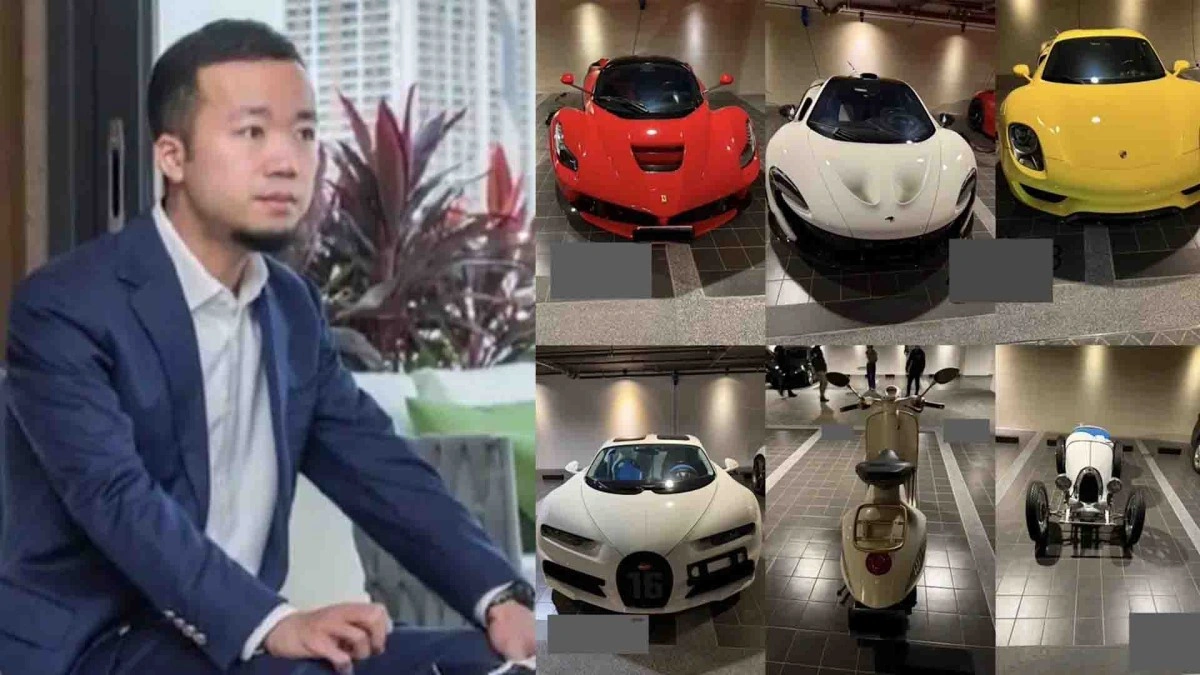
When you see headlines about Taiwan auctions luxury cars, your mind probably jumps to the opulence. And rightly so – these vehicles are the epitome of high-end automotive engineering. We’re talking about assets that command hefty price tags, often purchased to project an image of immense wealth and success. But for these particular vehicles, that image is a facade. They are, in fact, stark symbols of illicit gains, purchased with money fleeced from victims through elaborate and often brutal Cambodian scam operations.
The Prince Group, a name you might recognize from various international reports, has been at the center of allegations concerning online gambling, human trafficking, and vast scam networks operating out of Cambodia. Their alleged modus operandi involved enticing individuals with promises of high-paying jobs in Cambodia, only to trap them in compounds, forcing them to engage in online romance scams, cryptocurrency fraud, and other cybercrimes targeting victims globally. These luxury vehicles, now awaiting new owners in Taipei, were likely part of the proceeds of these very activities. It’s a stark reminder that behind every flashy purchase funded by crime, there’s a trail of immense human suffering and financial ruin.
The involvement of the Taipei District Prosecutors Office in this asset forfeiture Taiwan process underscores a critical point: financial crimes are rarely contained within a single border. The victims could be anywhere, the criminals could be anywhere, and the assets could be anywhere. This particular Taipei auction seized vehicles represents a victory, albeit a small one, in untangling those complex webs of deceit and ensuring that criminals don’t get to keep their ill-gotten gains.
Unmasking the Octopus | The Prince Group Scandal and Money Laundering Schemes
Let’s be honest, the scale of sophisticated online fraud today is mind-boggling. We’re not just talking about simple phishing emails anymore. Criminal enterprises like the one allegedly linked to the Prince Group scandal operate with incredible complexity, mimicking legitimate businesses, establishing intricate financial flows, and leveraging technology to cast a wide net for victims. The assets we’re seeing go up for auction are just the visible tip of an enormous iceberg of money laundering schemes.
These syndicates specialize in a range of scams, from so-called ‘pig-butchering’ schemes (where scammers ‘fatten up’ victims with fake romance or friendship before fleecing them of their savings) to investment fraud and cryptocurrency scams. The profits are astronomical, and these massive sums need to be ‘cleaned’ – made to look like they came from legitimate sources. This is where luxury items, including high-end real estate, yachts, and yes, these Taipei luxury car auction vehicles, come into play. They’re tangible assets that can be bought, sold, and used to legitimize dirty money, making it incredibly difficult for authorities to trace.
The human element here is truly heartbreaking. Reports from various international bodies and news organizations have highlighted severe cases of human trafficking scams, where individuals are lured to Cambodia, often from other Asian countries, with false promises of lucrative jobs. Once there, their passports are confiscated, and they are forced to work in these scam centers under duress, facing threats of violence if they don’t comply. So, while these cars might look glamorous, they carry the invisible scars of countless victims, both those who lost their savings and those who lost their freedom.
Taiwan’s Stand | A Beacon in the Fight Against Cybercrime
Taiwan’s active role in this particular case is significant. While Cambodia has faced criticism for not doing enough to crack down on these scam centers, Taiwan, alongside other nations, has been proactive in investigating, arresting perpetrators, and recovering assets. Their involvement stems from the fact that many of the victims targeted by these Cambodian scam centers were Taiwanese citizens, and some of the alleged criminals apprehended were also Taiwanese nationals involved in the syndicates.
The importance of international cooperation in combating these types of organized crime assets cannot be overstated. Criminals operate without borders, and so too must the forces of justice. Asset recovery international efforts are crucial, as they not only deprive criminals of their financial incentives but also offer a measure of restitution to victims, even if it’s never enough to fully compensate for their losses. Taiwan’s public auction of these vehicles serves as a powerful statement: crime doesn’t pay, and authorities are committed to dismantling these illicit networks.
This commitment is vital because the landscape of financial crime is constantly evolving. As technology advances, so do the methods employed by these groups. Understanding how these scams operate, from the recruitment of victims to the laundering of funds, is essential for prevention and prosecution. And seeing these luxury cars go under the hammer is a tangible demonstration of that commitment, providing a much-needed morale boost in the ongoing struggle against digital predators. For those interested in the broader automotive landscape, including new developments in the market, exploring options like the best electric cars under various price points can offer a stark contrast to the dark origins of the vehicles discussed here.
More Than Just Metal | The Human Cost Behind the Chrome
Ultimately, while the images of flashy sports cars capture attention, the real story here is about people. It’s about the countless individuals who fell victim to elaborate deception, losing their life savings, their dignity, and sometimes, even their freedom. It’s about the chilling reality that behind every shiny object acquired through illicit means, there’s a ripple effect of suffering. The Prince Group Cambodia saga is not just about a few bad actors; it’s a symptom of a larger, systemic problem of exploitation and financial fraud Southeast Asia has been grappling with.
These auctions, while a form of justice, also highlight the challenges faced by law enforcement agencies worldwide. The sheer volume of online scams, the speed at which money can be moved across borders, and the sophisticated tactics used by criminal organizations make these investigations incredibly complex and resource-intensive. Every successful asset recovery, every arrest, and every auction like this one in Taipei is a testament to the tireless efforts of investigators and prosecutors dedicated to making the digital world a safer place.
So, as these powerful machines get new owners, let’s remember the true cost embedded in their chrome and leather. Let’s recognize the resilience of the victims and the unwavering resolve of those fighting on the front lines against cybercrime. This auction is more than just a sale; it’s a powerful narrative about justice, accountability, and the ongoing global battle against digital deception.
Frequently Asked Questions About the Auction and Scams
What kind of luxury cars are being auctioned?
The auction in Taiwan features a range of high-end luxury vehicles, including models from prestigious brands like Lamborghini, Rolls-Royce, and Ferrari. These cars were seized as assets linked to the Cambodian scam center, Prince Group, and are now being sold to recover funds.
Who is the Prince Group, and why are they involved?
The Prince Group is a large Cambodian conglomerate, but its name has been controversially linked in various reports to illegal online gambling, human trafficking, and vast scam operations targeting individuals globally. The cars being auctioned in Taiwan are believed to be proceeds from these alleged illicit activities.
Where does the money from the auction go?
Funds generated from the auction of these seized assets typically go towards compensating victims of the scams, covering the costs of the investigation and prosecution, or into government coffers designated for public services or further anti-crime initiatives. The exact distribution can vary based on local laws and international agreements.
How can I protect myself from similar online scams?
Vigilance is key. Be extremely skeptical of unsolicited messages, especially those promising high returns on investments or romantic relationships that quickly turn to requests for money. Always verify identities and company legitimacy. Never send money or personal information to someone you haven’t met in person or whose identity you cannot independently confirm through trusted channels. It’s also wise to stay informed about potential risks and safety measures related to vehicles and other valuable assets. For example, understanding how different incidents can impact vehicle valuation and safety, like unexpected vehicular incidents , is part of being a well-informed consumer.


