

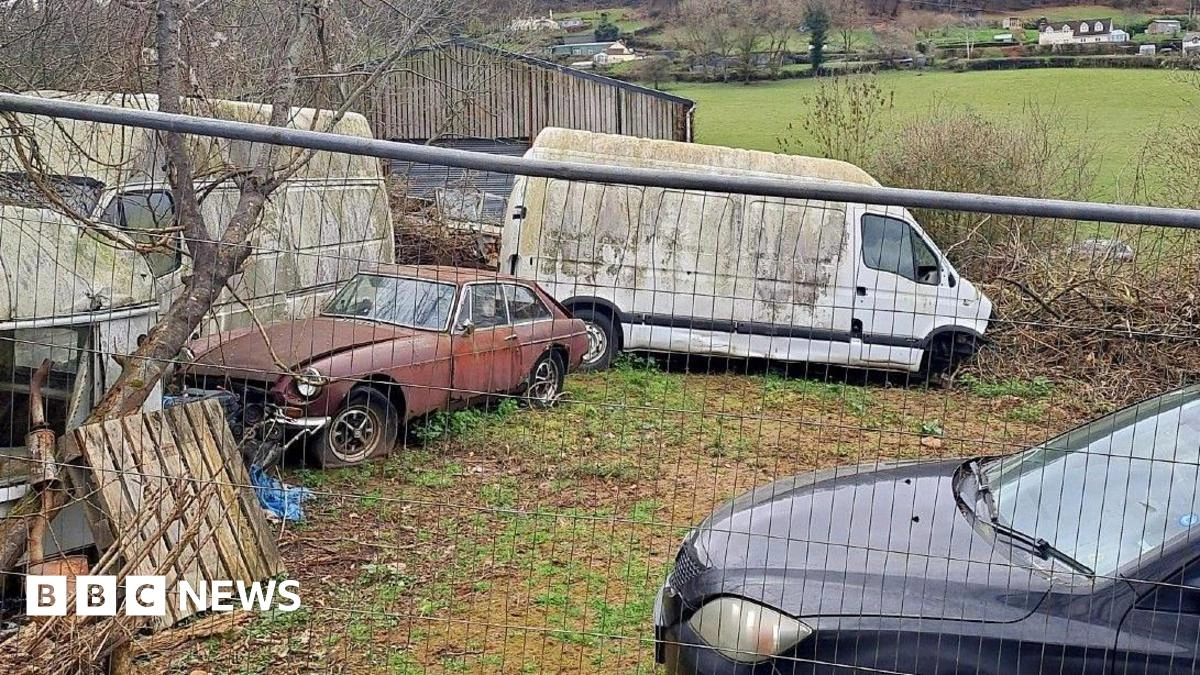
Picture this: a serene rural landscape, rolling hills, the quintessential English countryside vibe. Now, superimpose dozens, perhaps hundreds, ofcrumbling cars, rusting away, some barely recognizable as former vehicles, littering a farm. That’s not a scene from a post-apocalyptic movie; it’s the reality at a specific farm in Herefordshire, and it’s been making headlines. For years now. What fascinates me, and I bet you too, isn’t just that these vehicles are there, but the persistent question: why, despite council efforts, does this problem endure?

Here’s the thing: when you hear about a local council stepping in, you usually expect a swift, decisive resolution. But this situation? It feels like a Gordian knot, a tangle of legalities, environmental concerns, and rural planning quirks that defy easy solutions. It’s a microcosm of bigger issues facing local authorities, not just in Herefordshire, but across the UK, and frankly, anywhere similar challenges arise. Let’s dig a little deeper into the ‘why’ behind this seemingly intractable problem.
The Bureaucratic Maze | Why Enforcement Isn’t Simple


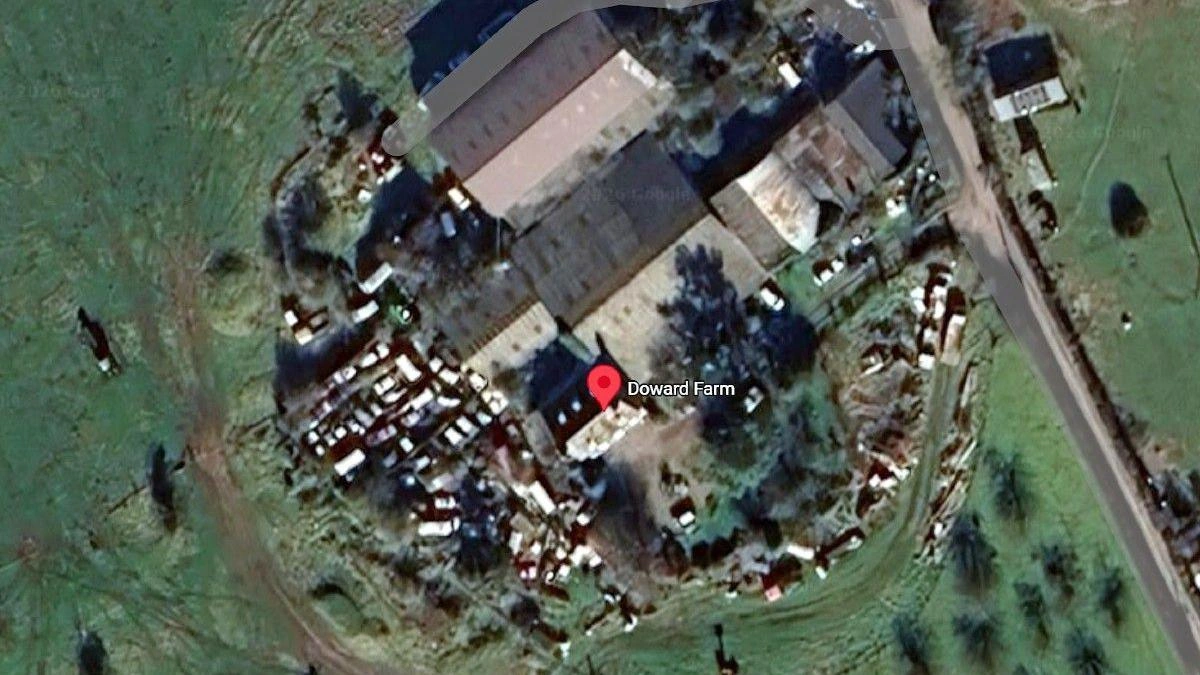
It’s easy to point fingers, right? “The council isn’t doing enough!” But the reality ofcouncil effortsto tackle situations like this is incredibly complex. First off, we’re often talking about private land. While a local authority can issue enforcement notices for breaches of planning control – say, running an unauthorized scrapyard – or for statutory nuisances, these processes aren’t instant. They involve investigations, evidence gathering, formal warnings, and then, if all else fails, legal action.
Think about it: identifying who owns each of these abandoned vehicles , proving they constitute a nuisance, and then navigating potential appeals from the landowner? That takes time, resources, and often, a hefty legal budget. According to official guidelines, councils have powers under the Refuse Disposal (Amenity) Act 1978 and the Environmental Protection Act 1990 for abandoned vehicles on public land, but private land is a different beast entirely. It’s not like the council can just roll up with a flatbed truck and start clearing them out, tempting as that might be for frustrated residents. This isn’t just about removing waste; it’s about property rights and legal processes, which, for all their necessity, move at a glacial pace when you’re watching a problem grow.
The Environmental & Community Scar | More Than Just an Eyesore
Beyond the aesthetic blight, the presence of thesecrumbling cars Herefordshireraises serious environmental and public health concerns. We’re not talking about a few old bangers parked discreetly. These are vehicles, over time, leaching fluids – oil, antifreeze, battery acid – into the soil. This can contaminate groundwater, affect local ecosystems, and pose a direct threat to wildlife. It’s a significant environmental impact that can persist for decades, long after the metal has rusted away.
And let’s not forget the community aspect. Residents nearby aren’t just looking at an ugly mess; they’re living with a perceived devaluation of their properties, potential fire hazards, and, for some, a general sense of neglect from authorities. It’s a blight on the landscape, yes, but also on the spirit of the community. This isn’t just an isolated incident; it speaks to the broader challenges ofwaste management UK-wide, especially when it involves unregistered or illegally stored materials on private land. The problem can escalate if not addressed, creating a cycle of decay that is hard to reverse.
The Planning Enforcement Tightrope | A Balancing Act
One of the key battles in cases like this often revolves around planning enforcement . Is the farm operating as an unauthorized scrapyard? Is it merely storing vehicles, which might fall under different regulations? The distinction can be crucial. If it’s deemed a change of land use without appropriate planning permission, the council can issue an enforcement notice. But again, these notices can be appealed, leading to public inquiries and lengthy legal battles. It’s a slow, resource-intensive dance.
The landowner might argue they are simply storing personal property or that the vehicles are part of an ongoing project. Proving otherwise requires robust evidence, often involving site visits, photographic documentation, and legal expertise. Meanwhile, the rusting continues. This highlights the delicate balance local authority powers must strike between protecting individual property rights and upholding environmental and planning regulations for the greater good. It’s a tightrope walk where every step is scrutinized, and legal challenges can prolong the issue almost indefinitely. It’s certainly not as straightforward as simply saying, “this is wrong, clear it up!”
Beyond the Headlines | The Bigger Picture of Rural Nuisance
What’s happening in Herefordshire isn’t entirely unique. Incidents involvingfarm wasteand unauthorized activities in rural areas pop up periodically across the country. These cases often reveal the limitations of existing legal frameworks when applied to complex, long-standing situations on private land. They also shed light on the pressures faced by local councils, who are often under-resourced and battling numerous other priorities.
The ‘crumbling cars’ saga serves as a potent reminder that effective governance isn’t just about having rules; it’s about the ability to enforce them efficiently and justly. For communities impacted by such prolonged issues, trust in local government can erode, leading to frustration and a sense of helplessness. It’s a tangible manifestation of a seemingly intractable rural nuisance , impacting everything from local aesthetics to ecological health. We’ve seen similar patterns of complex disputes in other contexts, like the challenges faced by authorities in dealing with certain types of financial scams involving luxury cars, where tracing ownership and enforcing regulations can be incredibly difficult, as detailed in this piece about Taiwan’s luxury car auction scam . The specifics differ, but the underlying challenge of enforcement often remains.
The Way Forward | What Can Actually Be Done?
So, what’s the path out of this rusty predicament? For situations involving vast numbers of old vehicles, a multi-agency approach is often key. This means collaboration between planning enforcement, environmental health, the Environment Agency, and sometimes even police. Early intervention and robust data collection can make a huge difference, identifying potential problems before they reach the scale seen in Herefordshire. Reporting abandoned vehicles to your local council is the first step, but for complex private land issues, it requires more.
For landowners, understanding vehicle disposal regulations and the environmental responsibilities associated with storing vehicles is crucial. There are strict rules around waste carriers and authorized treatment facilities for end-of-life vehicles. Ignoring these not only contributes to environmental degradation but can also lead to significant fines and legal penalties. Ultimately, while individual incidents might grab headlines, the systemic solution lies in clearer guidelines, better resourcing for enforcement, and a willingness from all parties to engage constructively, even when disagreements run deep. This is a problem that requires not just legal muscle, but also community resolve and a willingness to untangle decades of neglect.
Frequently Asked Questions About Abandoned Vehicles & Farm Waste
What constitutes an ‘abandoned vehicle’ in the UK?
An abandoned vehicle is typically one that appears to have been left deliberately, often untaxed, uninsured, or without valid registration. It might have flat tires, missing parts, or be significantly damaged. However, proving abandonment can be tricky, especially on private land, where it might be considered the owner’s private property rather than truly abandoned. Local councils usually have criteria, which you can often find on your local authority’s website , for what they consider an abandoned vehicle.
Can I report a large number of ‘crumbling cars’ on private land?
Yes, you can and should report such issues. While direct removal powers are more limited for private land, your report can trigger investigations by the local council’s planning enforcement or environmental health teams. They will assess whether there’s a breach of planning control (e.g., unauthorized scrapyard use) or if it constitutes a statutory nuisance or environmental hazard.
What are the environmental risks of vehicles rotting on land?
The risks are significant. As vehicles degrade, they can leak hazardous materials like engine oil, brake fluid, battery acid, and antifreeze. These chemicals can contaminate soil and groundwater, harming local flora and fauna, and potentially impacting human health. The breakdown of plastics and metals also contributes to pollution.
What powers does the council have to remove vehicles from private land?
The council’s powers are generally more restricted for private land compared to public land. They can issue enforcement notices under planning legislation if the site is being used as an unauthorized scrapyard or waste facility. They can also serve abatement notices for statutory nuisances under environmental health laws. If these notices aren’t complied with, they can lead to legal action and, in some cases, the council may carry out works and recover costs. These processes, however, are often lengthy and complex, much like when authorities are trying to unravel the details of a serious accident, such as a minivan crash due to a driver’s medical issue , which also involves intricate investigations.
How can landowners legally dispose of old vehicles?
Landowners must use an Authorized Treatment Facility (ATF) for end-of-life vehicles (ELVs). ATFs are licensed to de-pollute and dismantle vehicles safely and legally. It’s illegal to simply scrap vehicles on your own land or sell parts without the proper permits. The last registered keeper is responsible for ensuring the vehicle is disposed of correctly and receives a Certificate of Destruction.